The recent headlines surrounding the alleged “Birmingham Rider”—a list of stringent protocol demands purportedly linked to high-profile figures—has sparked a global conversation that transcends royal gossip. At the heart of the controversy lies a fundamental psychological question: Can respect truly be demanded through titles and status symbols, or does the very act of insisting on deference undermine one’s influence?
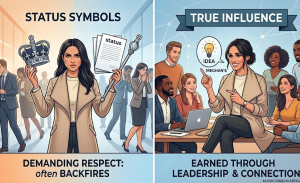
Psychologists and leadership experts suggest that the “staggering list of conditions” often seen in high-stakes negotiations—ranging from exclusive hotel floors to specific verbal addresses—reveals a deep-seated tension between perceived power and authentic authority. When individuals lean heavily on formal protocols, such as insisting on being addressed by specific titles or maintaining physical distance from subordinates, they are often attempting to construct a “security bubble” that is as much psychological as it is physical.
The Paradox of Forced Deference
The concept of “demanded respect” is often a double-edged sword. In professional and social hierarchies, respect is generally categorized into two types: owed respect and earned respect. Owed respect is the baseline level of civility we give to all human beings, while earned respect is the admiration gained through competence, integrity, and empathy.
When a leader or public figure moves the goalposts to demand “status-based respect”—such as requiring direct eye contact to be avoided or insisting on specific formal greetings—it often creates an immediate psychological rift. Instead of fostering an environment of loyalty, these demands can trigger “reactance,” a psychological phenomenon where people feel their personal freedom or dignity is being threatened and subconsciously begin to rebel or lose genuine esteem for the person in power.
Status Symbols vs. Functional Authority
In the modern era, the gap between “Monarchy” styles of leadership and “Montecito” styles of branding highlights a canyon of ego and ambition. Status symbols—luxury hotel takeovers, private security envelopes, and exclusive access—are designed to project power. However, if these symbols are not backed by functional authority and a spirit of service, they can appear as “shadow royalty” or hollow posturing.
The alleged Birmingham document serves as a case study in this friction. The insistence on using specific titles despite prior agreements to cease their use suggests a shift in strategy toward traditional hierarchy. Critics argue this represents a “cafeteria approach” to influence: selecting the prestige of the crown without the accompanying geographical presence or public service. From a self-improvement perspective, this approach often backfires because it prioritizes the ego over the mission.
The Psychology of “Shadow Royalty” and Influence
True influence is quiet. It does not require a four-floor block of a luxury hotel to be felt. Leaders who command the most respect are often those who require the least amount of protocol. This is because their “brand power” is cultivated through consistency and relatability rather than distance and demand.
When an individual views an institution not as a stable foundation but as a “collapsing empire” in need of their specific “saving,” the power dynamic shifts from cooperation to negotiation. This creates an impossible diplomatic situation. If you believe you are the negotiator in a position of power rather than a member of a collective, your demands will inevitably reflect a desire for control rather than connection.
The Role of Logistics and Insurance in Public Image
It is important to note that what public perception labels as “diva demands” are sometimes the result of cold, hard logistics. Analysis of high-profile visits often reveals that “staggering audacity” in requirements may actually be mandated by insurance liabilities or security underwriters. For instance, a demand for a 30-meter clearance zone or restricted staff access might be “set in stone” by private underwriters months in advance to manage “insurance liabilities” rather than personal whim.
However, even when these demands are functional, the failure to communicate the “why” behind them leads to a “stunned silence” from the public. In the realm of self-improvement, the lesson is clear: transparency and humility are the most effective tools for maintaining a reputation. Without them, even the most legitimate security needs can be interpreted as ego-driven ambition.
Lessons in Self-Improvement: Building Authentic Respect
To move from demanding respect to commanding it, individuals must focus on the following psychological principles:
-
Integrity over Imagery: Focus on the quality of your work and your interactions rather than the titles attached to them.
-
Empathy as an Asset: Forbidden eye contact or rigid protocols create barriers. Accessibility, when balanced with healthy boundaries, creates influence.
-
Consistency in Agreements: Respecting prior agreements—such as the 2020 Sandringham Summit terms—builds trust. Reneging on protocols for the sake of status suggests a lack of stability.
-
Service-Oriented Leadership: View yourself as a contributor to a system rather than its savior.
The “Birmingham Rider” controversy, whether officially confirmed or not, serves as a powerful reminder that in the modern world, the “rightful Queen” or leader of any domain is the one who leads with value, not just a list of conditions. The canyon between ego and ambition is only crossed when one realizes that true highness is found in how you treat others, not in how they are forced to greet you.
Frequently Asked Questions (FAQs)
What is the difference between demanding respect and commanding respect? Demanding respect relies on external factors like titles, threats, or status symbols to force others to show deference. Commanding respect is an organic process where others naturally admire and follow you because of your character, expertise, and actions.
Why do high-profile figures use “riders” for their visits? Riders are standard documents used to outline security, logistical, and technical requirements. While they can sometimes include personal preferences, their primary purpose is to ensure the safety of the individual and the efficiency of the event organizers.
How do Google Discover guidelines affect how news is presented? Google Discover prioritizes content that is helpful, trustworthy, and provides a good user experience. It discourages clickbait, misleading headlines, and overly sensationalized content. Articles that offer unique analysis, life tips, or educational value tend to perform better on this platform.
What is “reactance” in psychology? Reactance is an unpleasant motivational arousal that emerges when people feel their freedom of choice is threatened. When someone demands a specific behavior (like a formal greeting), others may feel their autonomy is being limited and may respond by developing a negative view of the person making the demand.
Can insurance requirements actually dictate personal protocol? Yes. In many high-level security contracts, private insurers require specific safety envelopes, clearance zones, and vetting processes for staff to minimize liability. These can often be mistaken by the public for personal “diva” demands when they are actually contractual obligations.
What is the “Sandringham Summit” agreement? This refers to the 2020 agreement between the British Royal Family and the Duke and Duchess of Sussex. It outlined the terms of their step back from senior royal duties, including the cessation of the use of their “HRH” titles in official or commercial capacities.
How can I apply these lessons to my professional life? Focus on being a “Value-Add” leader. Instead of worrying about your job title or how others address you, focus on how your presence makes the team more effective. True influence comes from helping others succeed, which naturally leads to the respect you desire.